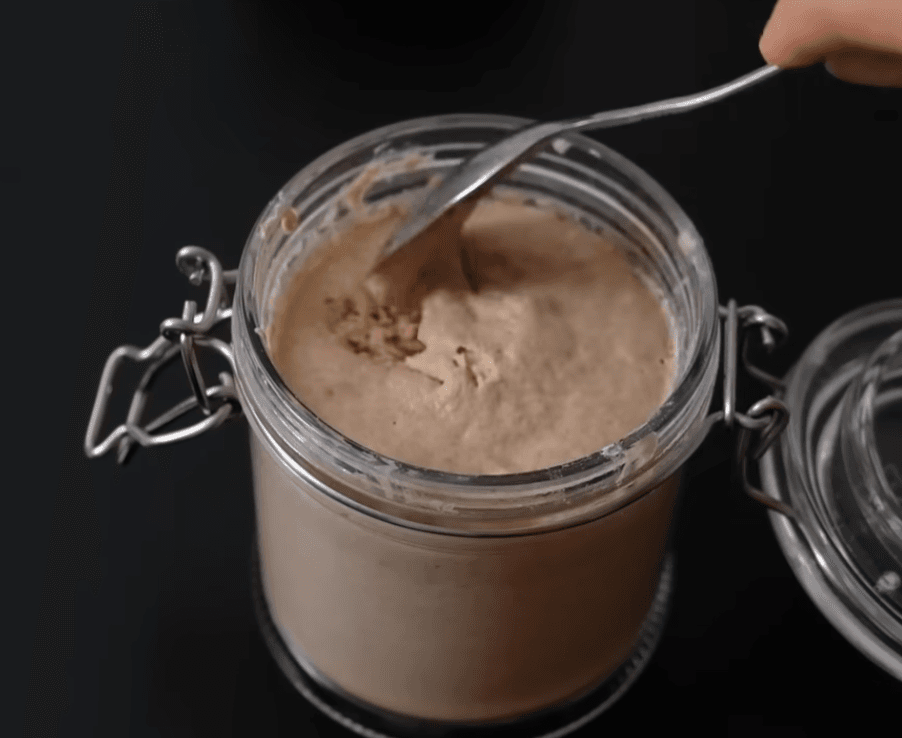
A sourdough starter is a natural fermentation culture made from flour and water that captures wild yeast and beneficial bacteria from the environment. This easy step-by-step method teaches you how to create a strong, stable sourdough starter at home, perfect for baking artisan bread, pizza dough, and other fermented baked goods.
Prep & Cook Time
- Prep Time: 5 minutes daily
- Cook Time: None
- Total Time: 5 to 7 days fermentation
- Servings: About 1 cup active starter
- 1/2 cup unbleached all-purpose flour (daily feeding)
- 1/4 cup whole wheat flour (optional, for faster fermentation)
- 1/4 cup filtered water (room temperature)
Ingredients
Instructions
- Day 1: In a clean glass jar, mix 1/2 cup flour and 1/4 cup filtered water until smooth. Cover loosely and leave at room temperature.
- Day 2: You may see no activity. Stir the mixture once and keep it covered.
- Day 3: Discard half of the mixture. Add 1/2 cup flour and 1/4 cup water. Stir well.
- Day 4–6: Continue discarding half and feeding daily with the same amounts. Bubbles and a tangy aroma should develop.
- Day 7: When the starter doubles in size within 4–6 hours after feeding and smells pleasantly sour, it is ready to use.
- Maintenance: Feed daily at room temperature or weekly if refrigerated.
What to Serve With
- Artisan sourdough bread
- Homemade pizza dough
- Pancakes and waffles
- Rustic dinner rolls
- Crackers and flatbreads
Pro Tips
- Use filtered water to avoid chlorine interference.
- Keep the starter in a warm environment around 70–75°F.
- Whole wheat flour accelerates fermentation.
- Mark the jar to monitor growth.
- Discarding prevents excess acidity and maintains balance.
Nutrition Information (Approximate per 1 tablespoon)
- Calories: 15
- Protein: 0.5 g
- Carbohydrates: 3 g
- Fat: 0 g
Creative FAQ
What is the difference between sourdough starter and yeast?
A sourdough starter contains wild yeast and natural bacteria, while commercial yeast is a single cultivated strain.
Why does my starter smell bad?
A strong unpleasant odor usually means it needs feeding. Discard part and feed regularly.
Can I use any flour?
Yes, but whole grain flours help fermentation start faster.
How do I know it is ready?
It should double in size within a few hours and show consistent bubbling.
Can I store it in the fridge?
Yes. Once active, it can be refrigerated and fed weekly.
Conclusion
Making your own sourdough starter is more than a recipe; it is the beginning of a long-term baking tradition. With patience and consistency, you create a living culture that can last for years and transform simple ingredients into flavorful artisan breads. Once established, your starter becomes a reliable partner in your kitchen, opening endless possibilities for homemade baking.
Discover more authentic and easy recipes at https://easyrecipesfrombrazil.com/